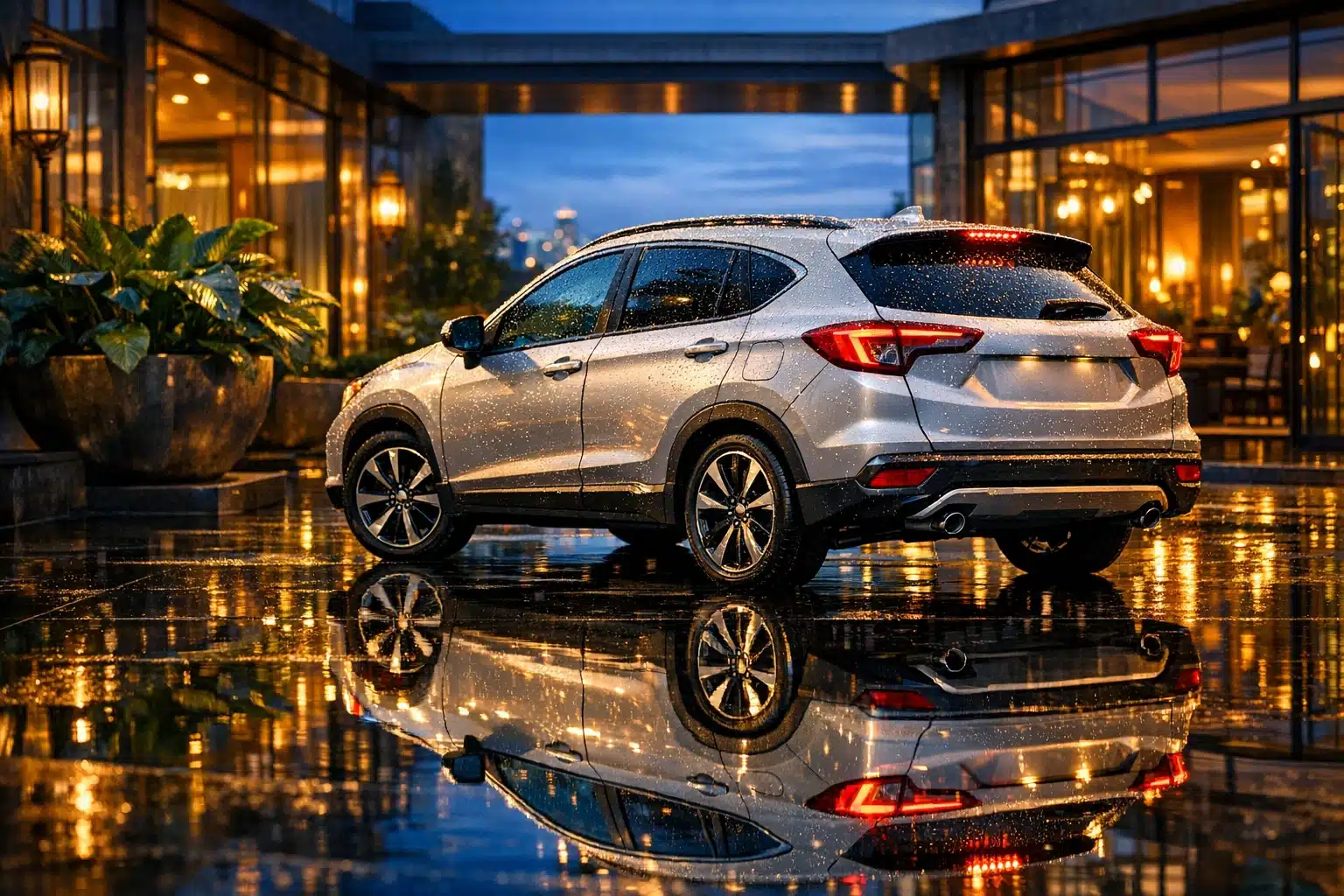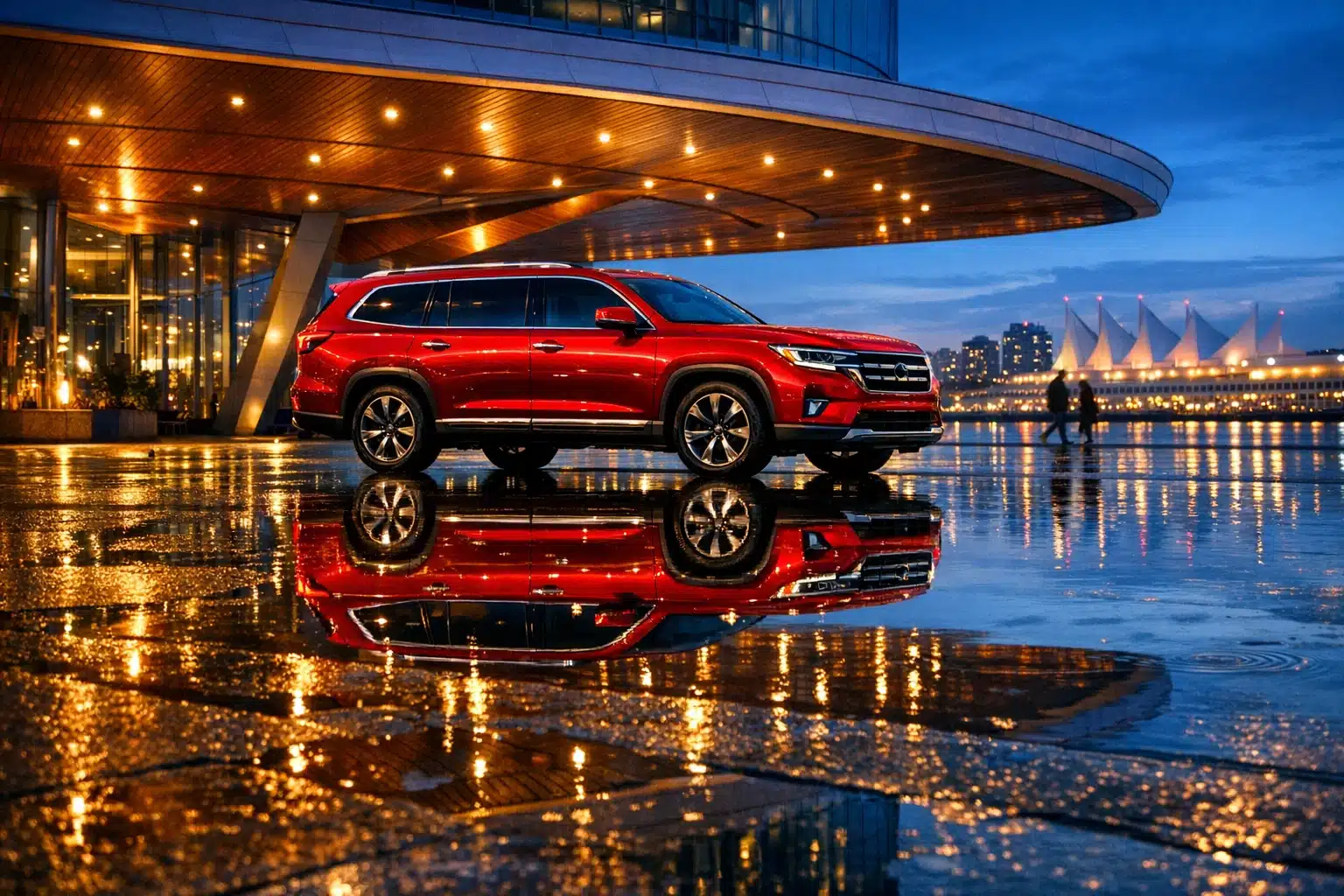
The New Chevrolet Traverse Has Arrived
The arrival of the new Chevrolet Traverse matters because the three-row SUV market has become one of the most competitive corners of the auto world. Families now expect roomy seating, modern safety tools, useful cargo flexibility, and tech that feels current rather than borrowed from a previous decade. Chevrolet is responding with a redesigned Traverse aimed at school runs, road trips, and busy weekly routines. This article explores what has changed, what stands out, and where the new model fits among today’s most popular family SUVs.
Outline
- A look at the new Traverse design, size, and cabin packaging
- An overview of the engine, driving character, and everyday performance
- A breakdown of technology, safety features, and practical usability
- A comparison with major rivals and a closer look at value and trims
- A final audience-focused summary for shoppers deciding whether it belongs on their shortlist
1. A Bolder Design and a More Purposeful Family-SUV Shape
The new Chevrolet Traverse does not arrive with the timid energy of a mild refresh. It looks like a vehicle that knows exactly what job it was hired to do. The latest design leans into a more squared-off, upright shape, giving the SUV a stronger visual presence than the softer, more rounded look that defined earlier versions. In a crowded parking lot full of three-row crossovers, this matters more than some buyers admit. Style may not pack lunchboxes or buckle child seats, but it often decides which model makes the first shortlist.
Chevrolet has clearly aimed for a more rugged and modern identity. The front end appears broader and more assertive, while the body lines feel cleaner and more deliberate. That shift is important because family buyers increasingly want utility without driving something that looks anonymous. Competitors such as the Kia Telluride and Honda Pilot have shown that a practical SUV can still look confident. The Traverse now answers that challenge with a design language that feels less apologetic about its size and more comfortable owning its space on the road.
Inside, the packaging is arguably even more important than the sheet metal. The Traverse continues to play in the highly competitive three-row category, where real-world usability matters more than brochure glamour. Chevrolet positions it as a vehicle with seating for up to eight, depending on configuration, and that remains one of its biggest strengths. For families, grandparents, carpools, or travelers who simply need flexibility, usable third-row access and meaningful cargo room are not bonus features. They are the assignment.
The new cabin layout appears to take a cleaner, more contemporary approach than the outgoing model. That is a welcome development because the previous Traverse often won on space but did not always feel class-leading in presentation. The new version aims to change that equation by pairing size with a more polished visual environment. In practical terms, shoppers should pay attention to several details:
- How easy it is to access the third row with child seats installed
- Whether second-row seating is better suited to bench or captain’s-chair buyers
- How much cargo room remains behind the third row for strollers, sports bags, or airport luggage
- How the dashboard layout improves day-to-day visibility and ease of use
That combination of design confidence and interior purpose is what gives the new Traverse relevance. It is not trying to reinvent the family SUV. It is trying to refine the formula and present it with more conviction. For many buyers, that is exactly the right move.
2. New Power, New Character: What the Traverse Feels Like on the Road
One of the biggest stories behind the new Chevrolet Traverse is what sits under the hood. Chevrolet has moved to a turbocharged 2.5-liter four-cylinder engine that produces 328 horsepower and 326 lb-ft of torque, paired with an eight-speed automatic transmission. On paper, that output is strong for the segment, and it signals a clear shift in philosophy. The older naturally aspirated V6 offered familiar smoothness, but the new turbo engine is designed to deliver its muscle in a way that better suits modern driving, especially when a large SUV is loaded with passengers and cargo.
Torque is the number many family buyers should care about here. Horsepower makes headlines, but torque is what helps a three-row SUV move with less strain when pulling away from a stoplight, merging onto a highway, or climbing a long grade with vacation gear in the back. In those everyday moments, the new Traverse should feel more eager than some drivers expect from a vehicle of this size. That is one reason turbocharged engines have become so common across the segment.
Compared with the previous V6-powered Traverse, the new setup may feel different in personality even if it remains equally practical. Some buyers still love the traditional, linear feel of a six-cylinder engine, and that preference is understandable. Yet the new powertrain reflects where the market is heading: more low-end shove, more responsive midrange performance, and an emphasis on efficiency and packaging. Chevrolet is not alone here. Rivals across the midsize and large-crossover categories are also rethinking how they balance power, weight, and fuel use.
Available all-wheel drive increases the Traverse’s appeal in colder climates and for buyers who regularly travel through rain, snow, or rougher roads. The model’s towing capability, which reaches up to 5,000 pounds when properly equipped, also adds real usefulness. That figure means it can handle many small campers, boats, or utility trailers without pretending to be a heavy-duty truck. It is a family vehicle first, but it does not show up empty-handed when weekend duties call.
For shoppers considering ride quality and handling, it helps to set expectations honestly. The Traverse is not trying to be a sports SUV. It is meant to be composed, stable, and confidence-inspiring, the automotive equivalent of a reliable travel companion who remembers the snacks, the chargers, and the route. A more adventure-themed variant such as the Z71 may appeal to buyers who want a tougher image and light off-pavement ability, but the core appeal remains comfort and competence. In a vehicle this size, calmness is a feature, not a compromise.
3. Technology, Safety, and Cabin Usability in Everyday Life
If the exterior design gets the new Traverse noticed, technology and usability are what will determine whether owners remain happy after six months, six seasons, or six family road trips. Chevrolet has made the cabin more digitally focused, and one of the headline features is a large 17.7-inch center touchscreen paired with an 11-inch driver information display. In a segment where buyers increasingly compare interfaces as closely as horsepower, that is a meaningful upgrade. It gives the Traverse a more contemporary feel and helps it compete with rivals that have turned screens into a major selling point.
Still, technology is only impressive when it works naturally in daily life. A large display should reduce clutter, improve navigation visibility, and make it easier for the driver to access common functions without hunting through confusing menus. That is where good interface design matters more than sheer size. The best family vehicles make small tasks effortless: finding a destination quickly, adjusting cabin settings without distraction, or keeping back-seat passengers connected during a long drive. The new Traverse appears aimed at that practical version of modernity rather than technology for its own sake.
Safety is another major pillar of the model’s relevance. Chevrolet’s standard safety suite, often grouped under the Chevy Safety Assist umbrella, helps the Traverse meet a basic expectation that is no longer optional in this class. Features commonly associated with that package include:
- Automatic emergency braking
- Forward collision alert
- Lane keep assist with lane departure warning
- Front pedestrian braking
- Following distance indicator
- Automatic high beams
Depending on trim and options, buyers may also find additional convenience and driver-assistance technologies that make parking, highway travel, and busy urban driving less stressful. This is where careful trim comparison becomes important, because the difference between “well equipped” and “perfect for your needs” often lives in the options sheet.
Practicality remains one of the Traverse’s strongest arguments. Three-row SUVs win or lose on details that rarely appear in dramatic advertisements. Parents notice cupholder placement. Travelers notice whether the cargo area can handle multiple suitcases without turning packing into a puzzle. Adults in the third row notice whether their knees are negotiating a peace treaty with the seat in front. Chevrolet’s challenge is to make the cabin feel not just spacious on paper, but genuinely thoughtful in use.
That is why interior storage, charging access, seat-folding flexibility, and visibility matter so much. A family SUV spends most of its life doing ordinary work, and ordinary work is exactly where a vehicle proves its worth. The new Traverse seems designed with that truth in mind. It aims to be less of a gadget showcase and more of a capable command center for real households.
4. Where It Fits in the Segment: Rivals, Trims, and Value Considerations
The new Chevrolet Traverse enters one of the most tightly contested spaces in the market, and that is both a challenge and an opportunity. Buyers shopping for a three-row SUV are rarely short on options. The Honda Pilot, Kia Telluride, Hyundai Palisade, Toyota Grand Highlander, and Ford Explorer all compete for similar households, yet each arrives with a different personality. That means the Traverse does not need to be everything to everyone. It needs to be clear about what it does well and whom it serves best.
Against the Honda Pilot, the Traverse makes a strong case if interior packaging and visual modernity are high priorities. The Pilot is often praised for balance and family-friendly execution, but the Traverse counters with a fresh design and a cabin that feels more overtly contemporary. Against the Kia Telluride and Hyundai Palisade, Chevrolet faces rivals known for upscale presentation and feature content. The Traverse responds with its own larger-screen atmosphere, a bolder exterior, and the advantage of broad brand familiarity in the North American market.
The Toyota Grand Highlander adds another kind of pressure because it offers strong practicality and, importantly for some buyers, hybrid options in the broader lineup. That matters because fuel efficiency is becoming a bigger part of purchase decisions, especially for families who pile on miles. If a shopper’s top priority is maximum efficiency, the Traverse may not be the automatic answer. But if the priority is a mix of roomy packaging, useful power, towing capability, and contemporary cabin design, it becomes more compelling.
Chevrolet’s trim strategy also helps define the Traverse’s role. Mainstream versions are likely to attract the widest audience, while more character-driven variants give the model range. In broad terms, buyers can think about the lineup this way:
- A core family-oriented trim for value, space, and everyday comfort
- A more rugged-looking version for buyers who want visual toughness and occasional dirt-road confidence
- A sportier or more premium-flavored trim for those who want stronger style cues and added equipment
That approach makes sense because SUV buyers are not a monolith. One household wants an efficient people mover with strong safety features and minimal drama. Another wants something that looks ready for a cabin weekend even if most of its adventures happen at soccer practice and the grocery store. A third wants near-premium ambiance without stepping into a luxury badge and its higher running costs.
Value, of course, depends on pricing, equipment, incentives, and local market conditions. Shoppers should compare not just sticker price, but total usefulness. A vehicle that costs a bit more yet includes the seating, technology, and safety features you would otherwise add later can end up being the smarter purchase. The new Traverse looks strongest when viewed through that lens: not cheap for the sake of being cheap, but competitive when its size, features, and capability are considered together.
5. Final Thoughts for Families, Commuters, and Road-Trip Buyers
The new Chevrolet Traverse feels aimed at a very specific kind of buyer, and that clarity works in its favor. This is not a niche vehicle chasing a narrow trend. It is a three-row SUV built for people whose lives require flexibility, space, and a steady sense of competence. If your weeks include child seats, work bags, weekend groceries, visiting relatives, sports equipment, or the occasional long highway run, the Traverse makes immediate sense on paper. Its redesign gives it a more current face, but the real story is how it tries to make everyday life easier without turning practicality into something dull.
For families, the major appeal is easy to understand. Seating for up to eight, substantial cargo capacity, useful towing ability, and a much more modern cabin are not cosmetic improvements. They speak directly to how the vehicle will be used. For commuters who want one vehicle to cover many roles, the Traverse offers the kind of versatility that can replace the need for constant compromise. It can be weekday shuttle, weekend hauler, and vacation machine in one package.
That said, the best buyer for the Traverse is someone who understands priorities. If your main focus is fuel economy above all else, it makes sense to compare it carefully with hybrid-equipped rivals. If you rarely use a third row and prefer a smaller footprint for city parking, a two-row SUV may be the more sensible answer. And if your tastes lean heavily toward luxury-brand materials or badge prestige, the Traverse may feel more practical than aspirational. None of those are flaws. They simply help define the audience.
For everyone else, the Traverse lands in a very appealing middle ground. It offers modern power, strong everyday usability, big-screen tech, and a design that finally gives it more personality in a crowded field. There is something refreshing about an SUV that understands its role and tries to perform it well rather than pretending to be a sports car, a rock crawler, and a luxury lounge all at once. The new Chevrolet Traverse arrives with that kind of focus. For shoppers who need a serious family vehicle but still want something that feels fresh and relevant, it deserves a spot near the top of the test-drive list.