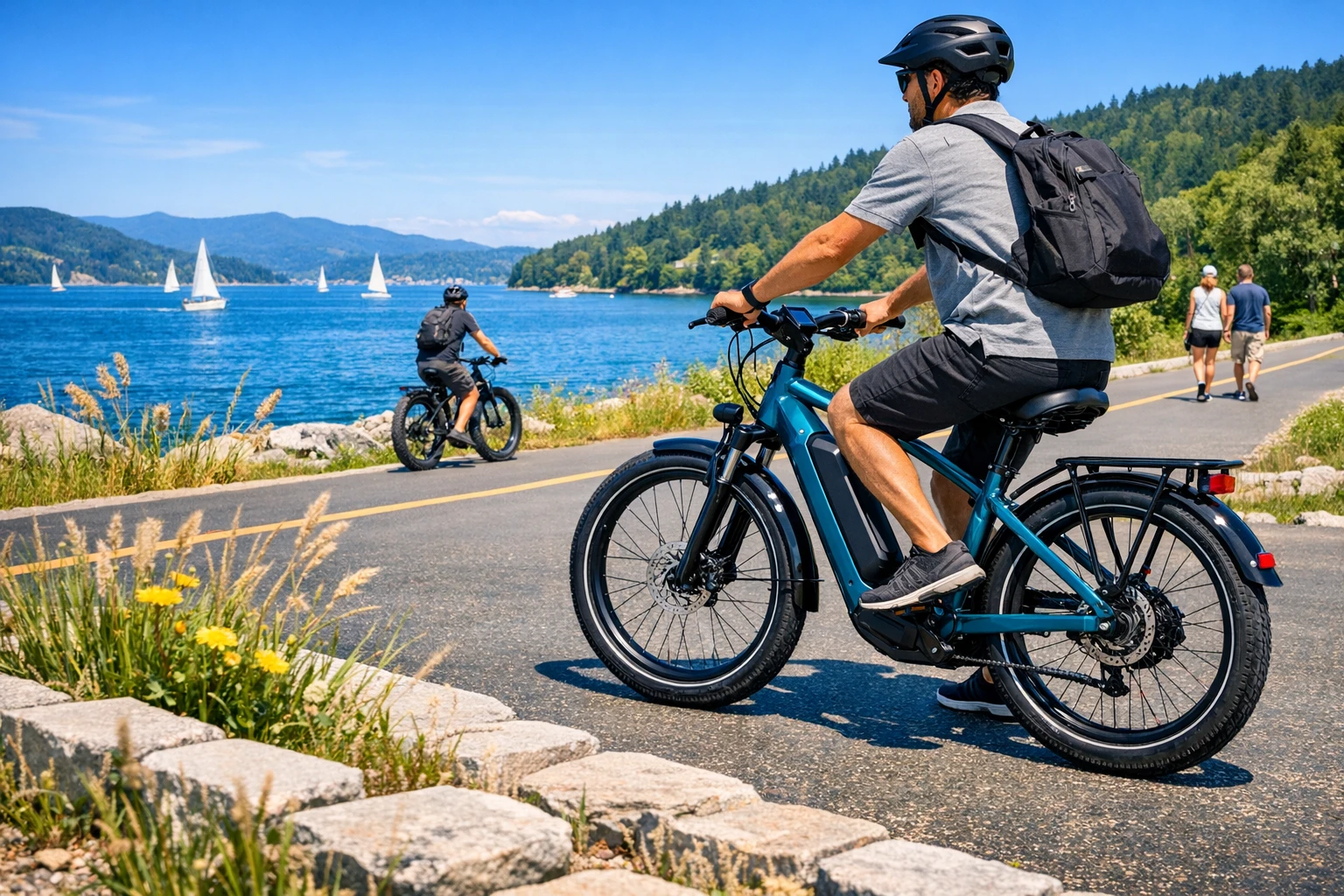
Costco Electric Bikes for Adults: What to Know Before You Buy
Electric bikes have moved from niche gadgets to practical everyday machines, and Costco has become an interesting place to shop for them. For adults comparing price, features, assembly, warranty coverage, and return convenience, a warehouse retailer can feel less intimidating than a specialty bike store. Still, an e-bike is a major purchase, and the smartest buyers look beyond the headline discount. This guide breaks down how Costco electric bikes for adults typically stack up, who they suit best, and what to check before you click buy or wheel one home.
Article Outline
- Why Costco has become a noteworthy retailer for adult electric bikes
- The key e-bike features adults should understand before comparing models
- The value advantages and trade-offs of buying through Costco
- How common Costco e-bike categories compare for commuting, leisure, and utility use
- A practical buying checklist and final guidance for adult shoppers
Why Costco Is on the Radar for Adult Electric Bike Buyers
Costco is not the first name many riders mention when talking about electric bikes, yet it has carved out a real place in the conversation. The reason is simple: many adults are not looking for a racing machine, a boutique frame, or a deep dive into enthusiast culture. They want a dependable way to commute, run errands, ride farther on weekends, or make hilly routes feel less punishing. In that practical landscape, Costco’s retail model makes sense. The company is widely associated with value-driven pricing, relatively straightforward return policies, and products that feel familiar rather than intimidating.
That matters because buying an e-bike can feel like learning a new language. Shoppers suddenly have to compare motor wattage, battery capacity, frame geometry, range estimates, brake types, and local riding regulations. A warehouse retailer can make the process feel more approachable. Instead of entering a specialized world full of jargon, buyers often see a curated, limited selection that narrows the field. For some adults, that smaller menu is a relief. For others, it is a limitation. Both reactions are reasonable.
Costco’s appeal usually comes down to a few buyer priorities:
- Competitive pricing compared with many specialty retail channels
- Bundled value, sometimes including accessories or delivery advantages
- An easier buying environment for first-time e-bike owners
- Convenient online ordering for shoppers who prefer home delivery
Still, the Costco route is different from shopping at a local bike shop. A specialty store may offer expert sizing, a test ride, assembly support, tune-up packages, and more direct service if something feels off. Costco, by contrast, often works best for shoppers who already understand their needs or are comfortable doing some research before purchase. Think of it this way: a bike shop can feel like a tailored fitting, while Costco often feels like a smart bulk buy with wheels attached.
Another factor is inventory rotation. Costco does not always carry the same e-bike models year-round, and selection can vary by region, season, and whether you are shopping in-store or online. Some offerings may come from established bicycle brands, while others target casual riders with simplified features and more mass-market positioning. That inconsistency means timing matters. If you see a model that fits your needs, it may not be around forever.
For adults who value convenience, reasonable pricing, and lower purchase friction, Costco deserves a serious look. It may not replace the expertise of a dedicated bike shop, but it can absolutely be the right starting point for someone who wants more miles, less sweat, and a buying process that feels refreshingly ordinary.
The Features Adults Should Evaluate Before Choosing a Costco E-Bike
Before comparing any specific model at Costco, it helps to understand the few technical choices that have the biggest effect on the riding experience. This is where many shoppers either make a smart match or buy a bike that looks good on paper but feels wrong on the road. An electric bike is not just a bicycle with a battery attached. It is a system, and each part changes how the ride behaves under real conditions.
Start with the motor. Adult e-bikes commonly use either hub-drive motors or mid-drive motors. Hub motors sit in the wheel, usually the rear wheel, and are common on more affordable bikes. They can feel punchy and simple, which makes them appealing for flat or moderate terrain. Mid-drive motors sit near the pedals and often deliver a more natural pedaling feel, especially on hills, but they are frequently found on pricier models. If your routes include long climbs or frequent stop-and-go traffic, motor placement matters more than glossy marketing phrases.
Battery capacity is next. Many adult e-bikes fall somewhere in the range of roughly 400 to 700 watt-hours, though exact figures vary. Larger batteries can provide longer range, but claimed mileage is often optimistic. Rider weight, wind, terrain, tire pressure, cargo, assist level, and temperature all affect results. A stated range of 40 miles might become much less if you ride fast, climb often, or rely heavily on throttle assistance. Range estimates are more like weather forecasts than promises: useful, but not sacred.
Other features deserve close attention:
- Brakes: Hydraulic disc brakes generally offer stronger and more consistent stopping power than mechanical systems.
- Tires: Wider tires add comfort and confidence, especially on rough pavement, but may increase rolling resistance.
- Suspension: Helpful on broken roads and trails, though it adds weight and sometimes maintenance.
- Frame style: Step-through frames are easier to mount, while step-over frames can feel stiffer and sportier.
- Weight: Many adult e-bikes weigh between 40 and 70 pounds, which affects carrying, storage, and transport.
Class also matters. In many markets, adult e-bikes are grouped into Class 1, 2, or 3 categories. Class 1 uses pedal assist only, Class 2 adds a throttle, and Class 3 usually supports higher assisted speeds. Local laws can differ, especially on bike paths and trails, so a faster bike is not always the more useful one.
Finally, fit should never be treated as a small detail. A great battery and powerful motor cannot rescue a frame that feels cramped, stretched, or unstable. Adults shopping at Costco should review sizing charts carefully and pay attention to standover height, handlebar reach, and maximum rider weight. The right e-bike makes the road feel shorter. The wrong one makes every mile feel like an awkward compromise.
Costco’s Real Strengths and the Trade-Offs You Should Expect
The strongest case for buying an adult electric bike from Costco is not mystery or hype. It is value with a familiar retail cushion. Many shoppers trust Costco because the company has a long-standing reputation for offering competitive pricing, member-oriented policies, and a shopping environment that feels less risky than ordering from an unknown online seller. When the purchase involves a high-ticket item like an e-bike, that reassurance carries real weight.
Price is the obvious attraction, but value is broader than the number on the tag. An e-bike from Costco may come with a feature mix that would cost more elsewhere, or it may include practical benefits such as delivery, occasional promotional pricing, or access to member-focused offers. In some cases, Costco also serves as a discovery point for brands that are otherwise sold directly to consumers, which can expose buyers to stronger options than they might expect from a warehouse retailer.
Here are the advantages many adults find appealing:
- A buying experience that feels more mainstream and less technical
- The possibility of better pricing than some brick-and-mortar bike shops
- Convenient online access and home delivery for bulky products
- A retailer many consumers already trust for large household purchases
But value and convenience are only half the story. Costco e-bike shoppers should also understand the trade-offs. Selection is usually narrower than what you would find from a bike-focused retailer. That limited inventory can simplify the decision, but it also means your “best available option” may not be the best option overall. If you need a particular frame size, a specific motor type, or stronger post-sale service, your choices may be constrained.
Assembly is another practical issue. Some bikes arrive partially assembled, and the final setup may include handlebars, pedals, front wheel attachment, or accessory installation. Adults who are comfortable with tools may view that as no big deal. Others may need a professional bike mechanic to inspect the bike before first use. That extra cost should be included in your budget. A bargain becomes less impressive if you spend unexpectedly on setup, tuning, and replacement parts.
Service after the sale is where the difference between Costco and a local bike shop can feel most dramatic. A neighborhood shop may help with fittings, repairs, and warranty communication, while mass retail channels tend to be less personal. Warranty support also depends heavily on the manufacturer, not just the store where the bike is purchased. Batteries, chargers, displays, and controllers are the parts most likely to raise questions over time, so it is wise to check parts availability before buying.
In short, Costco is often strongest for adults who prioritize price, convenience, and general confidence in the retailer. It is less ideal for riders who want hands-on guidance, advanced customization, or a long-term service relationship. The savings can be real, but the smartest buyers compare the full ownership picture, not just the checkout total.
Comparing the Main Types of Adult E-Bikes You May Find at Costco
Not all Costco electric bikes for adults are built for the same rider, and this is where many shoppers benefit from slowing down before they buy. It is easy to focus on top speed or a promotional discount, but the more useful question is this: what job do you want the bike to do? A folding commuter, a comfort cruiser, and a fat-tire adventure model may all look exciting, yet they create very different ownership experiences.
For everyday transportation, commuter-style e-bikes are often the most practical choice. They usually feature slimmer tires, predictable handling, integrated lights, racks or fenders on some models, and an efficient riding position that works well for pavement. Adults using an e-bike for work trips, errands, or fitness rides often appreciate this category because it tends to balance speed, range, and usability without unnecessary bulk. If your route involves city streets, bike lanes, and moderate hills, a commuter design is frequently the most sensible tool.
Folding e-bikes appeal to a different type of buyer. They are especially useful for adults living in apartments, commuting with limited storage, or carrying a bike in a car trunk or RV. Their compact design can be a genuine advantage, but folding bikes often weigh more than people expect. A foldable frame does not automatically mean light. In practice, some are easier to store than to carry. That distinction matters if stairs are part of your daily routine.
Then there are fat-tire and all-terrain style models. These bikes often catch the eye first because they look rugged and ready for anything. Wide tires can add comfort and traction on loose surfaces, rough pavement, or mixed-use paths. They also create more rolling resistance and frequently add weight, which can reduce efficiency. For adults who mainly ride on paved roads, a fat-tire bike may be more spectacle than necessity. It can still be fun, of course, but fun and fit are not always the same thing.
A quick comparison helps:
- Commuter or hybrid e-bike: best for pavement, errands, fitness, and routine daily use
- Folding e-bike: best for storage constraints, mixed transport, and occasional travel
- Fat-tire e-bike: best for comfort on rougher surfaces and riders who value stability over efficiency
- Comfort cruiser: best for shorter relaxed rides, upright posture, and easy neighborhood use
Adults should also compare accessory readiness. A bike that accepts a rear rack, panniers, fenders, and quality locks may become far more useful than a faster bike with fewer practical features. Likewise, look at removable batteries, display readability, charger type, and tire availability. The bike that suits your life is usually the better choice than the one with the boldest headline specs. On paper, two models can seem close. On a Tuesday morning when you are late, carrying groceries, and facing a headwind, their differences become very real.
Final Buying Checklist and Verdict for Adult Costco Shoppers
If you are seriously considering a Costco electric bike for adults, the best approach is to treat the purchase like a transportation decision rather than a simple impulse buy. E-bikes can bring a quiet kind of freedom. They flatten hills, stretch weekend routes, and turn “maybe I will drive” into “I might as well ride.” But the right bike depends less on excitement and more on fit, support, and how honestly you define your needs.
Before buying, walk through a practical checklist. Ask where you will store the bike, how often you will lift it, whether your routes are smooth or broken, and how far you realistically expect to ride in one outing. Think about whether you need throttle assistance, integrated accessories, cargo options, or a low step-through frame for easier mounting. If the bike will replace car trips, utility features matter. If it will be a leisure machine, comfort and simplicity may matter more.
Use this final shortlist before checkout:
- Confirm frame size and rider fit from the manufacturer’s chart
- Check battery size and compare claimed range with your actual route conditions
- Review the warranty for the battery, motor, electronics, and frame separately
- Find out whether local bike shops will service the model if needed
- Budget for a helmet, lock, lights, pump, and possible professional assembly
- Verify total bike weight if you need to carry, lift, or transport it regularly
- Check local e-bike class rules for paths, lanes, and trail access
For many adults, Costco is a smart place to buy an e-bike when the goal is straightforward value. It can be especially appealing for first-time buyers, casual commuters, recreational riders, and practical shoppers who prefer a recognizable retailer. It may be less compelling for enthusiasts who want premium components, advanced fit guidance, or long-term access to bike-specific service from the place of purchase.
The bottom line is simple. A Costco e-bike can be an excellent buy if the model matches your body, your roads, and your expectations. It is not automatically the best option just because the price looks attractive, but it should not be dismissed either. For adults who do a little homework before they buy, Costco can offer a very reasonable entry into electric cycling. And once the right bike clicks, the ordinary trip to the store can start to feel a little less ordinary, which is part of the magic people are really paying for.