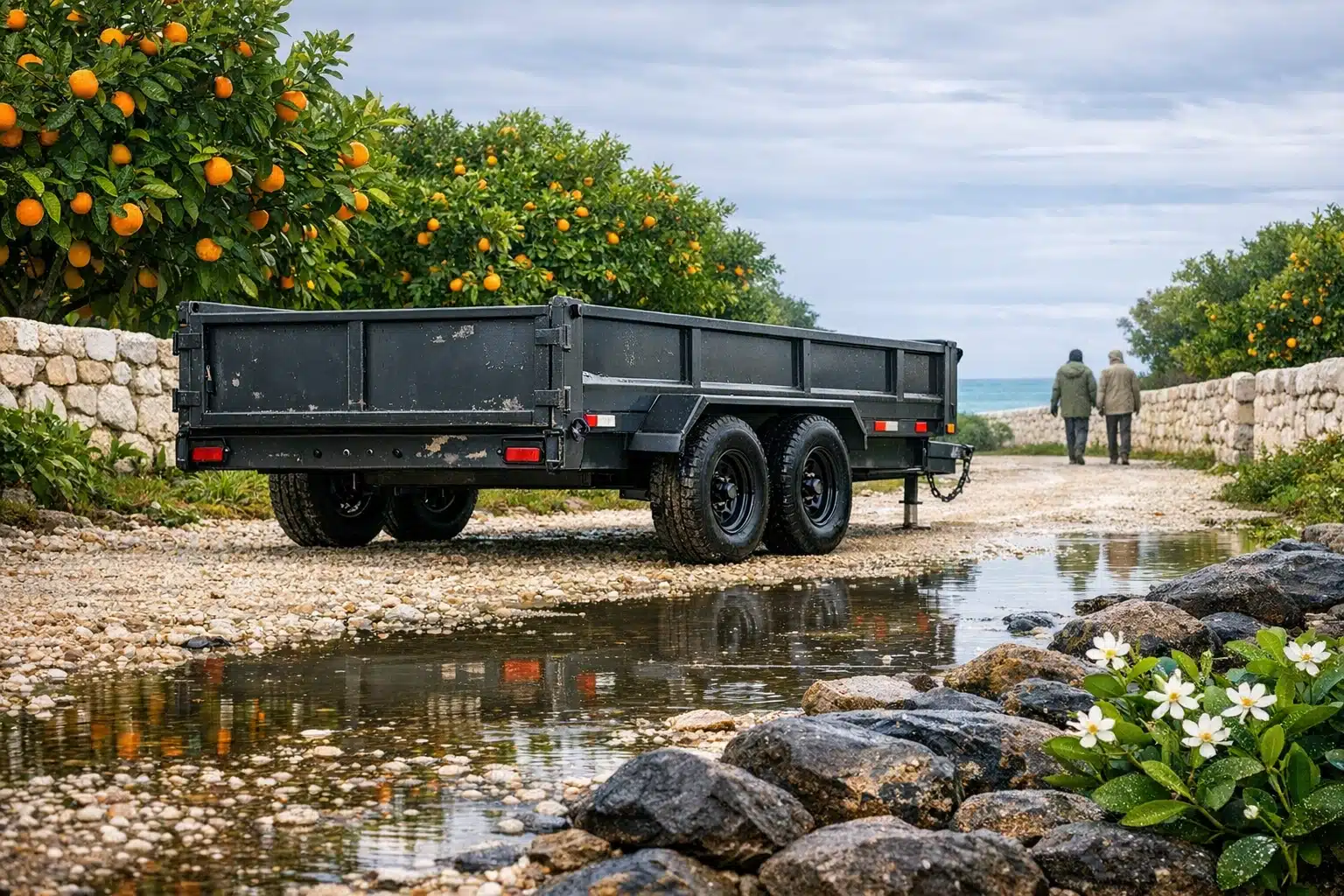
Used Trailers Guide: What to Check Before You Buy
A used trailer can be a smart buy for landscapers, contractors, weekend movers, farmers, and anyone who needs hauling capacity without paying new-equipment prices. The catch is simple: trailers hide wear in places buyers do not always notice until a tire fails, a floor softens, or paperwork causes a registration headache. A careful inspection, backed by a clear sense of how the trailer will be used, can save money, downtime, and frustration.
Outline
- Choosing the right trailer type and capacity for your work
- Inspecting the frame, floor, body, and signs of structural fatigue
- Checking tires, axles, brakes, lights, and other road-ready components
- Reviewing title, VIN, maintenance history, and seller credibility
- Comparing prices, negotiating fairly, and making a confident final decision
1. Start With the Job: Matching the Trailer to Your Real Needs
The first mistake many buyers make is shopping by price before shopping by purpose. A low-priced trailer that does not fit your cargo, towing setup, or work routine is not a bargain; it is a detour that usually leads to upgrades, modifications, or resale at a loss. Before you look at a single listing, define what the trailer must do on its busiest day, not its easiest one. A homeowner hauling mulch twice a year can use a very different trailer from a contractor moving compact equipment, sheet goods, or pallets every week.
Begin with payload, which is the amount of cargo the trailer can safely carry. Buyers often focus on total size and forget the numbers on the rating plate. The key figures are GVWR, or gross vehicle weight rating, and the trailer’s empty weight. Subtract the empty weight from GVWR and you get usable payload. That figure matters more than deck length alone. For example, a long utility trailer with a light frame may carry less than a shorter equipment trailer built with heavier steel and stronger axles.
Trailer type also changes the buying checklist. Common categories include:
- Utility trailers for yard waste, small machines, and general cargo
- Enclosed trailers for tools, retail stock, motorcycles, or weather-sensitive loads
- Equipment trailers for skid steers, mini excavators, and heavier machinery
- Dump trailers for gravel, debris, and material that must unload quickly
- Car haulers for vehicles with specific tie-down and ramp needs
Tow vehicle compatibility deserves equal attention. Check the tow rating, hitch class, tongue weight limit, brake controller requirements, and connector type on the vehicle you already own. A trailer may look perfect in a listing photo, but if it pushes your truck or SUV close to its limits every trip, the stress shows up in braking distance, handling, drivetrain wear, and driver fatigue. In plain language, the trailer should feel like a capable tool, not like a stubborn anchor.
Think through dimensions as well. Interior height matters in enclosed models, gate style affects loading, and deck width determines whether your mower, side-by-side, or palletized cargo fits without awkward compromises. A smart buyer measures the cargo first and shops second. That small step prevents one of the most common used-trailer regrets: discovering that the trailer is technically useful but practically inconvenient. When the trailer matches the job from day one, every inspection that follows becomes easier because you know exactly what “good enough” actually means.
2. Inspect the Structure: Frame, Floor, Body, and Hidden Damage
Once you know the trailer fits your intended use, move to the structure. This is where a used trailer reveals whether it has lived an honest working life or a punishing one. Cosmetic wear is normal. Structural weakness is expensive. Start with the frame, because everything else depends on it. Look underneath in good light and take your time. Surface rust on steel trailers is common and not automatically a deal-breaker, but deep scaling, flaking metal, rust holes, or swelling around welds suggest a more serious problem. Pay close attention to crossmembers, spring hangers, tongue areas, and the junction where the coupler meets the frame. Those zones carry major stress.
Weld quality tells its own story. Factory welds are usually consistent, while later repairs can be uneven, overbuilt, or suspiciously fresh. A repair is not necessarily bad, especially if it was done professionally, but you want to understand why it was needed. A reinforced tongue may indicate previous overloading or jackknife damage. A patch plate on the frame may show a crack that formed after years of rough roads or repeated abuse.
The floor deserves a detailed check. On wood decks, walk every section and feel for softness, bounce, rot, or loose boards. Probe around fasteners, wheel wells, and rear edges where water often sits. On enclosed trailers, inspect the interior floor from above and below if possible. Water intrusion can quietly weaken plywood long before the outside looks bad. If the trailer has a metal floor, look for corrosion, warping, or oil-soaked sections that can hide deterioration. In practical terms, a solid floor should feel boring. If it feels springy, spongy, or strangely patched, keep asking questions.
Body condition matters too, especially on enclosed models. Check roof seams, wall corners, rivets, doors, and vents for leaks or previous sealant work. Open and close every ramp, barn door, or side access door. Misalignment can mean hinge wear, frame twist, or impact damage. Inspect fenders for signs of tire rub, which may indicate axle problems or overloaded use. Also look for these common warning signs:
- Fresh paint covering only one area
- Uneven panel gaps
- Bent rub rails or stake pockets
- Water stains inside an enclosed trailer
- Cracks around welds and gussets
Bring a flashlight, gloves, and no sense of urgency. Trailers often look toughest when parked from ten feet away. The truth usually appears when you crouch down, get dusty, and inspect the places the seller hopes you will ignore. A sound frame and healthy floor are worth paying for because those are the repairs that quickly turn a “good deal” into a long invoice.
3. Check the Running Gear: Tires, Axles, Brakes, Lights, and Coupler
If the structure passes inspection, the next step is the running gear, the collection of parts that determines whether the trailer can travel safely at highway speed. This area is often underestimated because many buyers assume a trailer is simple. In reality, a trailer asks a lot from a small group of components. When one of them is neglected, the consequences can be immediate: a blown tire, overheated hub, weak braking, or a trailer that wanders behind the tow vehicle like it has ideas of its own.
Start with tires. Tread depth matters, but age matters too. Trailer tires often wear out from time and sunlight before the tread disappears. Check the DOT date code on the sidewall. Many owners and safety professionals begin inspecting tires very closely once they reach about five years old, even if they look acceptable at first glance. Look for sidewall cracks, bulges, uneven wear, mismatched tire sizes, and signs of rubbing. Uneven wear can point to bent axles, bad alignment, worn suspension parts, or chronic overloading.
Then inspect the hubs, bearings, and axles. Jacking up the trailer, if the seller allows it, gives you a better check. Spin each wheel and listen for grinding or roughness. Grab the tire and test for play that may indicate bearing wear. After a short tow or test pull, carefully feel near the hubs for excessive heat. A hot hub can signal bearing issues or brake drag. On multi-axle trailers, look at how the tires sit. Noticeable inward or outward tilt may suggest axle damage.
Brakes deserve real attention, especially on heavier trailers. Electric trailer brakes should engage smoothly through a brake controller, and the breakaway system should function with a charged battery where required. Ask when the brakes were last serviced. Worn magnets, weak wiring, contaminated drums, or neglected adjustment can all reduce stopping performance. Hydraulic systems need checks for leaks, corrosion, and actuator condition.
Do not skip the small items. They are not actually small when you are on the road:
- Test running lights, turn signals, and brake lights
- Inspect the wiring harness for splices, cracks, or hanging sections
- Check the coupler latch for fit and wear
- Inspect safety chains and hooks for damage
- Raise and lower the jack to confirm smooth operation
- Examine ramps, latches, and spring assists if equipped
Suspension parts also tell a story. Leaf springs should not be cracked or flattened, equalizers should move correctly, and shackles should not be worn into thin metal slivers. A trailer can survive with faded paint and dented fenders, but it cannot safely ignore bad bearings, tired brakes, or failing tires. When buyers budget for used trailers, this is the area where preventive replacement often makes sense. Fresh tires, serviced bearings, and verified brakes may cost money upfront, yet they are much cheaper than a roadside failure with a loaded trailer behind you.
4. Verify the Paper Trail: VIN, Title, Registration, and Seller Credibility
A trailer can look excellent and still become a bad purchase if the paperwork is incomplete, inaccurate, or suspicious. The legal side of a used trailer transaction is not glamorous, but it is where careful buyers protect themselves from registration problems, stolen property issues, undisclosed liens, or expensive delays. Rules vary by state and country, so treat this part of the process as seriously as the mechanical inspection. A missing title may be easy to solve in one location and a major obstacle in another.
Begin with the VIN, also called the vehicle identification number, or serial number where applicable. It should match the title, registration, and any frame plate or sticker on the trailer. If the VIN plate looks tampered with, painted over, re-riveted, or oddly new compared with the rest of the trailer, pause the deal. Ask direct questions and verify before moving forward. If there is no VIN where one should exist, or the seller avoids the topic, walking away is often the best use of your time.
Ask for documents that show continuity of ownership and maintenance. Useful records include:
- Title or transferable registration
- Bill of sale with names, date, price, and trailer details
- Maintenance receipts for bearings, brakes, tires, or structural repairs
- Original purchase paperwork or manufacturer information packet
- Any lien release if financing was previously involved
The seller’s behavior can be as informative as the documents themselves. A legitimate owner usually knows the trailer’s history, explains repairs clearly, and does not object to inspection. Evasive answers, pressure to pay quickly, refusal to meet where the trailer is stored, or a story that changes halfway through the conversation are classic warning signs. It is also wise to ask how the trailer was used. A trailer that carried lawn equipment on local roads may have different wear patterns from one that hauled dense materials daily or spent years exposed to road salt.
Weight ratings and compliance labels matter because they affect legal use and insurance considerations. If the label is unreadable or missing, verifying specifications becomes harder. Buyers should also confirm whether trailer brakes are required at the intended loaded weight in their jurisdiction, and whether inspections, plates, or tax documentation are needed before towing it home. Some people remember to bring cash but forget to bring a plate, temporary permit, or compatible connector.
A used trailer purchase should feel traceable from start to finish. You want the physical trailer, the legal identity of the trailer, and the seller’s story to line up without gaps. When those pieces agree, you reduce risk dramatically. When they do not, even an attractive price can become a nuisance that follows you to the registry office, the repair shop, or worse, a roadside stop you did not need.
5. Price It Honestly, Negotiate Calmly, and Buy With a Plan
By the time you reach the pricing stage, the goal is no longer just finding a cheap trailer. The goal is finding a trailer whose condition, capability, and legal status justify the number on the listing. Used-trailer pricing can vary widely by region, season, steel prices, brand reputation, size, and local demand from contractors, farms, and small businesses. That is why a fair deal is usually built from comparison rather than instinct. Look at several listings for similar trailers with similar ratings and configurations, then adjust for condition. A trailer with fresh tires, serviced brakes, and clear paperwork is not directly comparable to one with cracked rubber, patched wiring, and a vague backstory.
Create a repair budget before you negotiate. This keeps the conversation grounded in reality instead of emotion. If the trailer needs two tires, bearing service, a jack, and new lights, price those items locally and add labor if you will not do the work yourself. Even modest parts add up quickly. A deal that looks cheaper by several hundred dollars can become more expensive than a better-maintained trailer once you finish bringing it up to standard.
During negotiation, be respectful and specific. Sellers respond better to evidence than to dramatic low offers. Point to measurable items: tire age, brake condition, floor repairs, missing documents, or non-working lights. A calm approach protects you from buying on impulse. Useful negotiating habits include:
- Inspect first and discuss price second
- Carry photos or notes from your inspection
- Separate cosmetic flaws from safety issues
- Budget for immediate maintenance after purchase
- Be willing to leave if the facts and the price do not match
It also helps to think beyond the purchase day. Plan the first week of ownership. Repack bearings if history is unknown, replace aged tires if needed, torque lug nuts, verify light function, confirm the coupler size, and check tie-down points before the first serious load. That step turns a hopeful purchase into a dependable working asset.
For the target buyer, whether you are a first-time owner, a side-hustle operator, or a business that cannot afford downtime, the best used trailer is not the shiniest one or the cheapest one. It is the one that matches your work, passes a disciplined inspection, comes with usable paperwork, and leaves room in your budget for proper upkeep. Buy slowly enough to ask good questions, and you will often save money for years. Rush the process, and the trailer may teach its own lesson at the worst possible moment, usually on the shoulder of a busy road with your schedule unraveling by the minute.