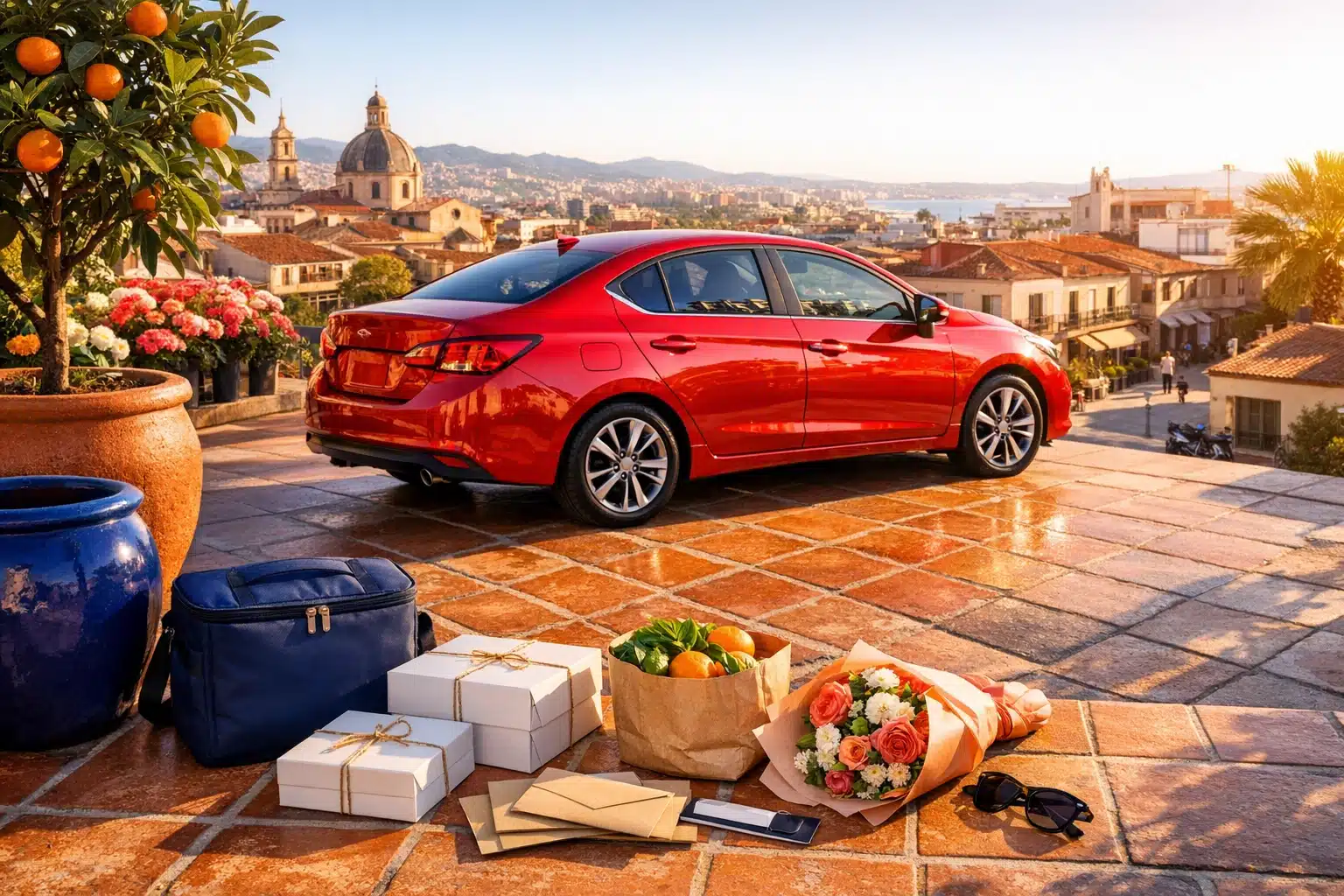
Flexible Delivery With Your Own Car: A Practical Guide
Owning a car can quietly open the door to a different kind of workday: one shaped by routes, time windows, and short bursts of local demand instead of a fixed desk and clock. Flexible delivery sits at the crossroads of convenience and mobility, which is why it keeps attracting drivers in cities, suburbs, and smaller towns alike. For some, it is a side hustle; for others, it becomes a dependable income stream. The key is learning how to treat freedom as a system rather than a guess.
1. Outline and Big Picture: Why Flexible Delivery Appeals to So Many Drivers
Flexible delivery with your own car sounds simple at first glance: use the vehicle you already have, accept orders, complete trips, and get paid. In practice, however, the idea is broader than many people expect. It can include food delivery, grocery drop-offs, retail packages, pharmacy orders, flower delivery, document courier work, and local same-day transport for small businesses. What ties these options together is not the product being moved, but the promise of speed, convenience, and local reach. In a world where customers want things faster and businesses want to avoid the cost of maintaining large fleets, drivers with their own cars become the moving link between demand and fulfillment.
Before getting into the details, it helps to map the road ahead. This guide covers five core areas:
• what flexible delivery really includes
• how to choose the right model for your schedule and vehicle
• how to measure costs and profit honestly
• how to run delivery days more smoothly and safely
• how to decide whether this work fits your goals
The appeal is easy to understand. Flexible delivery offers a level of control that many traditional jobs do not. Drivers can often choose when to work, how long to stay online, and sometimes even which orders to accept. That flexibility can be valuable for people balancing classes, caregiving, freelance work, or another part-time job. It can also be useful during life transitions, such as relocating, searching for full-time employment, or testing self-managed work for the first time.
Still, flexibility should not be confused with simplicity. A driver may feel independent, but success depends on timing, operating costs, neighborhood knowledge, patience, and customer communication. One hour can bring several efficient orders; the next can be slow, traffic-heavy, or expensive because of long distances and little demand. This is why experienced drivers often think less like casual workers and more like small operators managing time, fuel, wear on the car, and service quality.
There is also a wider economic reason this topic matters. Flexible delivery supports local restaurants, independent shops, pharmacies, and specialty stores that need logistics without building a dedicated transport department. In that sense, the driver’s car becomes a miniature business asset. It is not just a machine parked in a driveway; it becomes a tool that creates access, convenience, and often a modest but meaningful source of income. That is the real starting point for understanding this kind of work.
2. Choosing the Right Delivery Model for Your Car, Your Time, and Your Market
Not all flexible delivery work looks the same, and one of the most important decisions is choosing the model that matches your car, your daily schedule, and the demand in your area. Some drivers jump into the first app they see, only to discover that the work pattern does not suit them. A better approach is to compare delivery types the way a mechanic compares tools: not by appearance, but by purpose.
The most visible option is app-based on-demand delivery. This usually includes restaurant meals, groceries, convenience items, and retail orders. The main advantage is accessibility. Registration is often quicker than in many conventional jobs, and the work can be started or paused with relatively little friction. These platforms can be helpful for people who want immediate flexibility, especially during lunch and dinner peaks or on weekends. The downside is that order volume, pay structure, waiting time, and trip distance can vary sharply. A short trip with fast pickup may be efficient, while a long order with traffic, restaurant delays, and apartment drop-off can consume far more time than expected.
Another route is direct work with local businesses. Independent restaurants, bakeries, florists, pharmacies, repair shops, and legal offices sometimes need dependable drivers without using a large platform for every order. This type of work may offer more stable routines and closer communication with the business owner. It can also reduce some of the unpredictability found in app-based systems. The trade-off is that these roles may require stricter time commitments, regular availability, or a more formal agreement.
A third option is business-to-business and courier-style delivery. This can involve documents, small parcels, supplies, or scheduled local distribution. It often suits drivers who prefer structure over constant app notifications. Compared with restaurant delivery, courier work may involve fewer rushed handoffs and less customer messaging, but it may require stronger reliability, route discipline, and comfort with scheduled stops.
When comparing delivery models, consider practical questions:
• Is your car fuel-efficient enough for short, frequent trips?
• Do you prefer peak-hour bursts or predictable scheduled blocks?
• Is demand stronger in dense urban areas, suburban shopping corridors, or small-town centers?
• Are parking and apartment access likely to slow you down?
• Do you want instant flexibility or steadier repeat work?
Your local market matters more than generic advice online. A compact car may perform brilliantly in a busy city with limited parking, while a driver in a spread-out suburb may need to be more selective because distances are longer. The smartest drivers do not ask, “Which platform is best?” They ask, “Which type of delivery fits my geography, my vehicle, and my tolerance for unpredictability?” That question leads to better decisions and fewer frustrating shifts.
3. Costs, Earnings, and Profitability: What the Numbers Really Mean
One of the biggest mistakes new drivers make is looking only at gross earnings. Seeing money arrive after each completed order can feel encouraging, but revenue is not the same as profit. Flexible delivery with your own car works best when you understand the economics clearly. The car is doing paid work, and paid work accelerates expenses. Fuel is obvious, but it is only one part of the story. Maintenance, tires, brakes, oil changes, insurance considerations, cleaning, depreciation, and taxes all shape the real outcome.
A useful way to think about earnings is to separate them into three layers. The first layer is gross pay, meaning the total amount earned from completed deliveries, tips, bonuses, or scheduled rates. The second layer is operating cost, which includes the money your car consumes while earning that pay. The third layer is net income, or what remains after those costs are accounted for. Many drivers feel disappointed not because delivery cannot work, but because they measured only the first layer and ignored the other two.
Mileage tracking is especially important. Even if a trip seems profitable on the screen, long distances can erode value quickly. A high-paying order that sends you far from busy zones may cost more than it appears once you count fuel and the unpaid drive back toward active demand. By contrast, several shorter orders in a compact area may create better hourly efficiency, even if each individual payout looks modest. This is why experienced drivers often evaluate deliveries by time, distance, and neighborhood, not just by the headline payment.
Common cost categories include:
• fuel or electricity, depending on the vehicle
• regular maintenance such as oil, filters, fluids, and brakes
• tire wear from stop-and-go driving
• depreciation from added mileage
• cleaning and basic vehicle presentation
• parking fees, tolls, and occasional unexpected costs
• taxes and recordkeeping responsibilities
Comparisons also matter. A driver using a fuel-efficient compact car may retain more of each dollar earned than a driver using a larger vehicle with higher fuel consumption. Someone working in a dense district with stacked orders may do better than someone driving long suburban loops. A person who delivers only during strong demand windows may outperform another who stays online all day through slow periods. In other words, profit is rarely just about working harder; it is often about working with tighter filters.
A practical habit is to review delivery sessions weekly. Track hours, miles, busy periods, strong zones, weak routes, and wait times. Look for patterns. Did lunch outperform dinner? Were weekends worth it after traffic and parking? Did a certain area produce many low-tip or long-distance orders? Over time, these notes become more valuable than guesswork. Flexible delivery can absolutely provide useful income, but it rewards drivers who think like operators. If you know your numbers, you stop chasing motion and start building efficiency.
4. Running Better Delivery Days: Routes, Customer Service, Technology, and Safety
Once the financial side is understood, daily execution becomes the next major factor. Two drivers in the same city can work the same number of hours and end the day with very different results because one follows a system and the other simply reacts. Good delivery work often looks calm from the outside, but beneath that calm is a chain of small decisions made well: where to position the car, when to accept an order, how to communicate with customers, how to avoid wasted miles, and how to protect personal safety.
Route awareness is the first pillar. Navigation apps are useful, but they do not replace local judgment. Drivers quickly learn which intersections back up at certain hours, which shopping centers have easy pickup access, and which apartment complexes turn one delivery into a ten-minute maze. Over time, the map stops being abstract and starts feeling almost alive. Certain neighborhoods hum during lunch. Others wake up after sunset. Some roads are smooth arteries; others are time traps disguised as shortcuts.
Customer service is the second pillar, and it matters more than many new drivers expect. Delivery is not only transportation; it is the final moment of a purchase. Customers remember whether the order arrived on time, whether instructions were followed, and whether communication was clear when delays happened. A brief, professional message can reduce confusion and frustration. So can simple habits such as checking item count when possible, confirming drop-off instructions, and placing orders carefully in a visible but safe location.
Technology and workflow also make a noticeable difference:
• keep the phone charged and use a reliable car mount
• carry insulated bags if the delivery type requires temperature protection
• use mileage tracking tools consistently
• keep basic cleaning supplies in the car
• organize receipts, toll records, and work notes regularly
Safety deserves equal attention. Drivers face weather, fatigue, parking pressure, and distractions from constant app notifications. It is better to miss a questionable order than to make a rushed decision in traffic. Keep doors locked when appropriate, stay aware during late-night pickups, avoid handling the phone while moving, and be cautious in poorly lit drop-off areas. If something feels wrong, trust that instinct. Flexible delivery is supposed to expand options, not create preventable risk.
The strongest routines are usually simple: start with a clean car, know your target zones, protect your time, communicate clearly, and never confuse speed with recklessness. When those habits become automatic, the work feels less chaotic and more professional. That shift is often what separates a draining side hustle from a manageable and repeatable one.
5. Conclusion: Who Should Consider Flexible Delivery and How to Start Smart
Flexible delivery with your own car is not a magic income button, but it can be a practical fit for the right person. It tends to work best for people who value autonomy, can manage their own schedule without constant supervision, and are willing to pay attention to costs. Students, parents with narrow availability windows, part-time workers, freelancers, and people testing a transition between jobs may find it especially useful. It can also suit those who genuinely like movement, local geography, and short-task work rather than long stationary shifts.
At the same time, it is not ideal for everyone. If your vehicle is unreliable, fuel-hungry, or expensive to maintain, the pressure on profitability rises quickly. If you dislike traffic, frequent app interaction, or uncertain order flow, the day can feel frustrating. The same flexibility that attracts many people can also feel unstable to someone who prefers fixed hours and highly predictable income. The best decision comes from honest self-assessment, not from hype.
A smart starting plan is usually modest rather than dramatic:
• begin with limited test sessions in your strongest local time slots
• track mileage and expenses from the first day
• compare at least two delivery models before committing heavily
• learn which neighborhoods and order types make sense for your vehicle
• review weekly results before expanding hours
This measured approach matters because early impressions can be misleading. A lucky weekend may look better than the monthly average, and one slow evening does not define the entire opportunity. What you want is a pattern, not a mood. After a few weeks of disciplined tracking, you will know much more about whether flexible delivery is worth your time, what hours perform best, and what kind of orders deserve your attention.
For the target audience, the real value of this work is not just earning from a car. It is turning an everyday asset into a controlled, informed source of mobility-based income. If you approach the role with realistic expectations, a basic business mindset, and respect for your time and vehicle, flexible delivery can become a useful part of your financial toolkit. The road is not always smooth, but for prepared drivers, it can be surprisingly workable.