Toyota’s New RAV4 Model: A Closer Look
Toyota’s RAV4 matters because it sits at the center of one of the world’s most competitive vehicle classes, where design, efficiency, comfort, and value all have to work together. The newest model arrives with sharper visual confidence and the kind of broad appeal that can attract commuters, families, and weekend travelers alike. In a market full of capable crossovers, even small improvements can shift buying decisions in a big way. That makes a close look at the latest RAV4 more useful than the usual quick glance.
Article outline:
• Exterior design and how the new RAV4 presents itself
• Cabin comfort, storage, and daily practicality
• Powertrains, hybrid efficiency, and on-road character
• Technology, safety, and how it compares with rival SUVs
• Final verdict for the buyers most likely to benefit from it
Exterior Design: Why the New RAV4 Feels More Purposeful Than Pretty
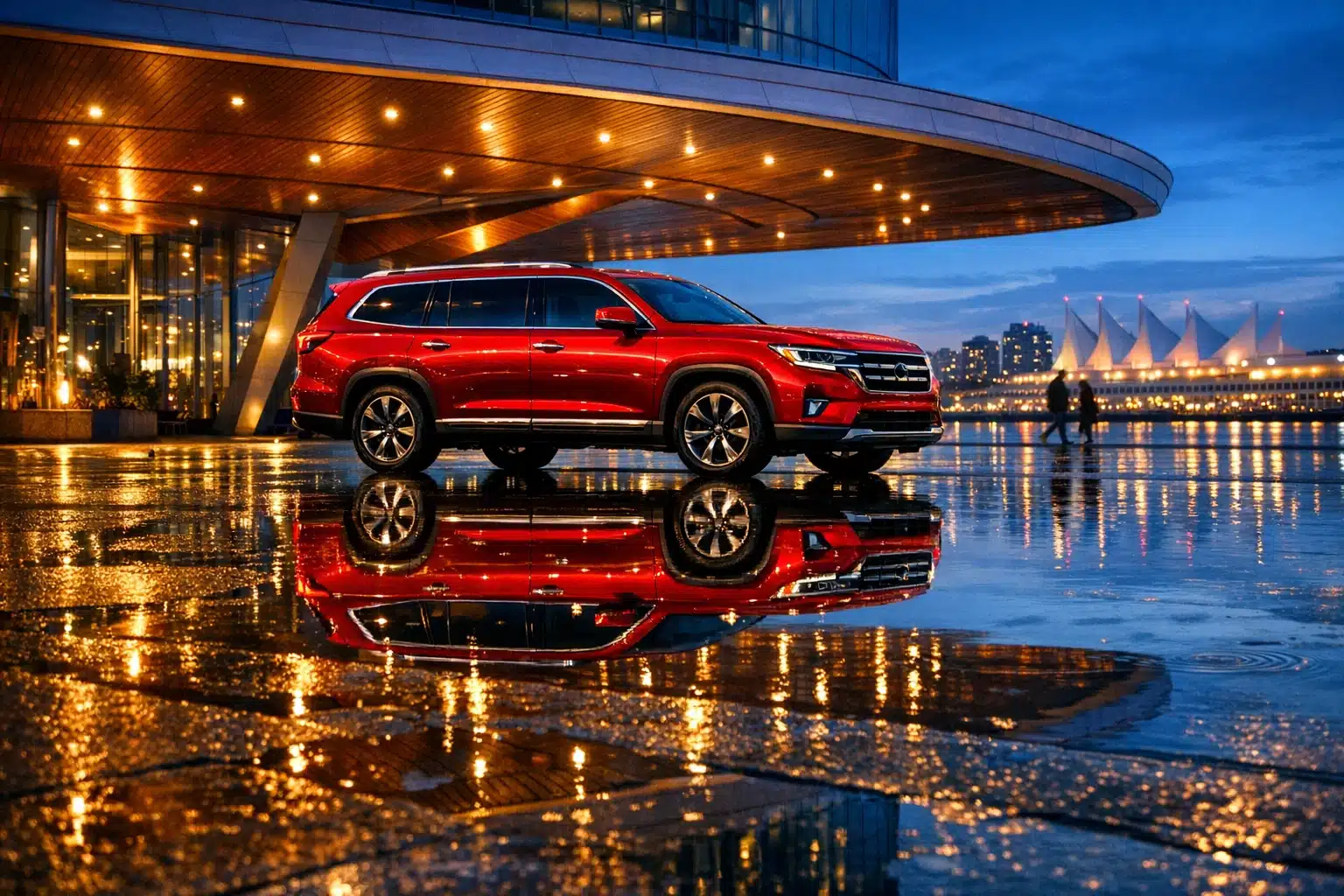
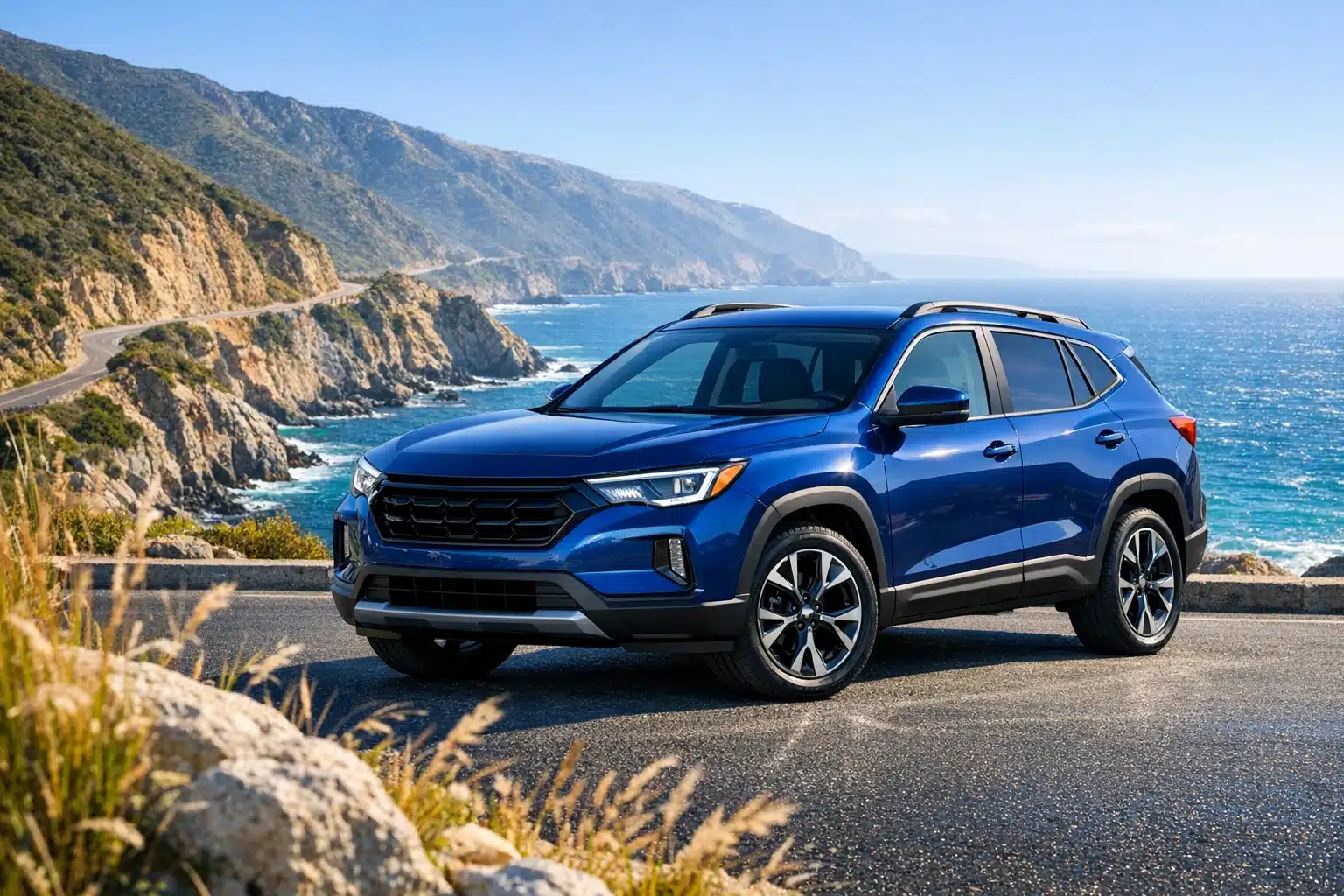
The RAV4 has long occupied an interesting place in the SUV world. It is not trying to be a luxury crossover, and it does not need to shout like a concept car parked under bright studio lights. What makes Toyota’s latest RAV4 stand out is its ability to look rugged, modern, and approachable at the same time. The styling language leans into crisp lines, squared-off wheel arches, a higher visual stance, and a front end that looks more planted than soft. That combination matters, because buyers in this segment often want a vehicle that feels ready for a wet highway commute on Monday and a dirt trailhead parking lot on Saturday.
One of the strongest aspects of the RAV4’s design is proportion. Many compact SUVs look tall and narrow, or overly rounded in an attempt to appear friendly. The RAV4 avoids that trap. It carries width well, uses body cladding in a way that feels intentional rather than decorative, and creates a silhouette that suggests durability. Even when parked, it has a sense of movement, almost as if it is leaning gently into its next errand. That is where the “stunning” label starts to make sense for many shoppers: not because the RAV4 is exotic, but because it looks resolved. It knows what it wants to be.
Design details play a big role in that impression:
• angular headlamp shapes give the nose more definition
• contrast trim and dark lower cladding add visual toughness
• available larger wheels help the SUV avoid an economy-car look
• roof rails and rear spoiler elements reinforce the adventure theme
Compared with rivals, the RAV4’s approach is especially interesting. The Honda CR-V tends to look smoother and more conservative, which many buyers appreciate, but it does not deliver quite the same outdoorsy character. The Hyundai Tucson is bolder and more experimental, with dramatic surfacing and lighting signatures, yet that daring style may age faster for some owners. Mazda’s CX-50 looks premium and athletic, though it pushes further toward a near-luxury image. The RAV4 splits the difference. It is assertive without becoming theatrical, and that balance is one reason it remains widely appealing.
Color and trim strategy also matter. Toyota has been smart about offering versions that alter the RAV4’s personality without changing the core design. A more urban trim can look polished and neat, while adventure-oriented trims bring chunkier tires, darker accents, and a more trail-ready attitude. That flexibility lets different buyers see themselves in the same vehicle. A young professional might see a stylish commuter with cargo room, while a small family might see a dependable road-trip machine. The best automotive designs do exactly that: they invite different lifestyles into the same basic shape. The latest RAV4 may not chase beauty in the traditional sense, but it has something arguably more valuable in the real world: presence with purpose.
Inside the Cabin: Practicality, Comfort, and the Kind of Space People Actually Use
If the exterior is what gets shoppers to walk across the dealership lot, the interior is what convinces them to stay. In the compact SUV segment, cabin design is not just about looking modern. It has to survive coffee spills, backpacks, charging cables, child seats, grocery runs, and long drives where a bad armrest can become a personal enemy. The latest RAV4 continues to perform well because Toyota understands that usability is not a small feature; for many buyers, it is the whole game.
The dashboard layout in recent RAV4 models has generally emphasized clarity over flash. Controls are placed where most drivers expect them, climate settings are easy to reach, and sightlines are usually good from the driver’s seat. That may sound ordinary, but in a market where some vehicles bury simple functions inside multiple touchscreen menus, straightforward design becomes a real advantage. The RAV4 tends to feel like it was designed by people who have used a car in winter gloves, in school pickup lines, and in crowded parking garages. There is less unnecessary theater and more day-to-day sense.
Comfort is another area where the RAV4 earns its following. Front-seat space is typically generous enough for taller adults, while the rear bench offers usable room for passengers who are no longer happy to be called “kids.” Depending on trim, materials range from durable cloth to more upscale synthetic or leather-trimmed surfaces. The point is not that every version feels premium; rather, the cabin generally feels solid, honest, and built for repeat use. Toyota’s reputation has been built on that kind of consistency. Buttons should work. Seats should wear well. Storage should exist where people naturally reach for it. The RAV4 usually checks those boxes.
A few practical strengths deserve special mention:
• a wide rear opening helps with loading larger bags and boxes
• split-folding rear seats expand the cargo area for longer items
• cupholders, door bins, and center-console storage support daily clutter
• rear-seat access is friendly for child-seat installation and family use
In many recent RAV4 configurations, cargo capacity has been around the upper end of the segment, with roughly 37 cubic feet of space behind the rear seats and substantially more when those seats are folded. That figure matters because it puts the RAV4 in real competition with the CR-V, Tucson, Sportage, and Forester, all of which attract buyers who want one vehicle to do nearly everything. A practical cargo hold is not glamorous, but it is the difference between a smooth airport run and a frustrating game of luggage geometry.
There are, of course, trade-offs. Some rivals offer more visually adventurous cabins, and others feel a touch quieter or softer in top trims. The Hyundai Tucson and Kia Sportage, for example, often make a strong first impression with sweeping screens and a more futuristic aesthetic. Mazda interiors can feel more premium in texture and design restraint. Yet Toyota’s advantage lies in familiarity and ease. The RAV4’s cabin is not trying to dazzle for fifteen minutes at the showroom. It is trying to make sense for five years. For buyers who value function without giving up comfort, that is a compelling argument.
Powertrains and Driving Experience: Where the RAV4 Turns Efficiency Into a Real Selling Point
The heart of the RAV4 story is not just styling or practicality. It is the way Toyota has positioned the model around powertrain choice, especially with hybrid technology playing a central role. In many markets, the RAV4 lineup has offered a conventional gasoline engine, a hybrid setup, and in some regions a plug-in hybrid variant. That spread is important because it gives buyers options without forcing them into a one-size-fits-all answer. Some people still want a straightforward gas SUV. Others want strong fuel economy without changing their habits. A growing number want electric driving for short trips but gasoline backup for long ones. The RAV4 has been able to speak to all three groups.
The standard gasoline configuration in recent RAV4 versions has typically used a 2.5-liter four-cylinder engine producing around 203 horsepower, depending on market and trim. That level of output is respectable for the class, giving the SUV enough confidence for merging, highway cruising, and normal family duty. It is not built to thrill like a performance crossover, but it seldom feels underqualified for real work. The hybrid model, often rated around 219 combined horsepower in all-wheel-drive form in recent U.S. specifications, adds a smoother low-speed response and a more effortless everyday feel. That difference is noticeable in stop-and-go traffic, where electric assistance helps the vehicle move away from lights with less strain.
Fuel economy is where the hybrid RAV4 becomes especially persuasive. Gas-only compact SUVs often land in the upper 20-mpg range combined, while hybrid RAV4 models in recent years have commonly reached around 39 to 40 mpg combined, again depending on specification and testing cycle. For drivers covering 12,000 to 15,000 miles a year, that gap can translate into meaningful fuel savings over time. It also changes behavior in a subtle way. A vehicle that sips fuel rather than gulps it makes spontaneous weekend drives, long commutes, and daily errands feel less financially annoying.
For buyers who want more punch, the plug-in hybrid version sold in some regions under names such as RAV4 Prime or RAV4 Plug-in Hybrid has stood out with around 302 combined horsepower and more than 40 miles of electric range in recent U.S. estimates. That is a remarkable figure for a practical family SUV. It allows many short daily trips to happen without using gasoline, yet it avoids the charging-anxiety issues that still make some shoppers hesitant about a full battery-electric vehicle.
On the road, the RAV4 is better described as composed than exciting. Steering is usually predictable, ride quality is firm but reasonable, and available all-wheel drive improves confidence in rain, snow, and loose surfaces. Certain adventure-oriented trims have offered features aimed at light off-pavement use, and some versions can tow up to around 3,500 pounds, which adds another layer of usefulness. Key takeaways for drivers are simple:
• the gas model is capable and familiar
• the hybrid is the sweet spot for many households
• the plug-in hybrid offers real performance with everyday efficiency
• no version pretends to be a sports car, but most feel well judged
Against rivals, the RAV4 may not be the quietest or the most playful through corners, yet its powertrain range gives it a practical edge. Toyota has turned efficiency into something buyers can feel every week, not just something they read on a brochure line. That is clever engineering, but it is also smart product planning.
Technology, Safety, and Value: How the RAV4 Competes in a Crowded Field
Modern compact SUVs are no longer judged only by comfort and fuel economy. Buyers now expect their vehicles to function as rolling digital spaces, with clean infotainment, useful connectivity, driver-assistance systems, and enough charging options to keep phones alive during a family weekend. The latest RAV4 enters this battle with a reputation for practical technology rather than flashy novelty. That is a meaningful distinction. Some vehicles impress with giant screens yet frustrate owners with slow menus, odd touch controls, or systems that age badly. Toyota’s strength has generally been building technology that aims to be intuitive first.
Depending on trim and market, the RAV4 typically includes a touchscreen infotainment system with smartphone integration such as Apple CarPlay and Android Auto, USB ports for front and rear passengers, available wireless charging, and digital driver display elements. The exact screen sizes and interface details vary, but the broader point is that Toyota has recognized the need to modernize without abandoning usability. A family SUV should not require a software tutorial every time someone wants to adjust audio sources or start navigation. The RAV4 usually avoids that pitfall.
Safety remains one of the model’s strongest selling points. Toyota Safety Sense, in its current forms across various models, commonly includes features such as:
• pre-collision warning with automatic emergency braking
• adaptive cruise control
• lane departure alert and lane-keeping assistance
• road-sign recognition on some versions
• blind-spot monitoring and rear cross-traffic alert on many trims
For buyers, the presence of these systems matters not because they replace attentive driving, but because they reduce fatigue and add a margin of confidence during the situations people actually face: rush-hour traffic, long interstate trips, rainy-night lane changes, and distracted drivers around school zones. The RAV4’s safety package is part of the reason it continues to appeal to families, retirees, and commuters alike. It offers reassurance without demanding constant admiration.
Value is where the Toyota formula becomes especially powerful. A RAV4 is rarely the cheapest SUV on paper, and it is not always the most luxurious. However, value is broader than sticker price. Toyota’s long-standing reputation for reliability, strong resale value, extensive dealer network, and widespread familiarity with hybrid systems changes the equation. A vehicle that costs a bit more up front can still make sense if it holds value well, uses less fuel, and gives owners fewer surprise headaches over time.
When compared with its major competitors, the RAV4’s position becomes clear. The Honda CR-V may deliver excellent comfort and a polished road demeanor. The Hyundai Tucson and Kia Sportage often impress with bold interiors and strong feature content. The Subaru Forester remains a favorite for visibility and standard all-wheel drive, while Mazda’s CX-50 attracts drivers who want a more premium ambiance. The RAV4 counters with a different sort of appeal: balanced competence. It does many things very well, a few things exceptionally well in hybrid form, and almost nothing badly. That kind of consistency wins a lot of shopping comparisons, especially when the buyer wants fewer compromises instead of one dramatic strength.
Final Thoughts for Buyers: Who the New RAV4 Fits Best and Why It Continues to Matter
The latest RAV4 does not need to reinvent the compact SUV to remain relevant. In fact, its real achievement is knowing which parts of the formula to refine and which to leave alone. Toyota understands that most buyers in this segment are not searching for extravagance. They are searching for a vehicle that looks good in the driveway, handles daily life without complaint, uses fuel wisely, protects passengers, and still feels pleasant months after the honeymoon phase ends. By that standard, the new RAV4 remains one of the most convincing options in the class.
It is especially well suited to a broad middle group of buyers who want versatility without stepping into a larger, more expensive SUV. That includes:
• commuters who want hybrid savings and a higher seating position
• young families who need rear-seat usability and cargo flexibility
• empty nesters who want comfort, safety, and easy entry
• active drivers who appreciate all-wheel-drive confidence and light adventure capability
The RAV4 also makes sense for people who value predictability in the best possible way. Predictability here does not mean boring. It means knowing the controls will be easy to understand, the cabin will work for routine life, the hybrid system will not feel experimental, and ownership costs are likely to remain reasonable over the long term. In a world where many products promise excitement through complexity, there is something refreshing about a vehicle that earns loyalty through clarity.
That said, the RAV4 is not automatically the perfect answer for everyone. Buyers who prioritize a deeply upscale interior may prefer certain Mazda trims or move toward premium brands. Drivers who want the softest possible ride may lean toward other comfort-focused competitors. People looking for a genuinely sporty crossover may find more entertainment elsewhere, and shoppers needing a third row will have to move up to a larger class. The RAV4’s strength is not that it dominates every category. Its strength is that it rarely misses the point of what a compact SUV is supposed to do.
So, is Toyota’s new RAV4 “absolutely stunning”? In a practical sense, yes. It is stunning not because it is flashy or outrageous, but because it brings together style, efficiency, usability, and long-term appeal with unusual discipline. It looks rugged without becoming clumsy, offers technology without turning fussy, and delivers hybrid advantages without asking buyers to reshape their lives. For the target audience of everyday drivers who want one smart vehicle to cover nearly every task, that combination remains remarkably hard to beat. The new RAV4 is not just a closer look candidate; it is a serious shortlist SUV, and for many households, it may still be the one that makes the most sense when the test drives are over and real life begins.